
.svg)


Pressed for time? Here’s a summary.
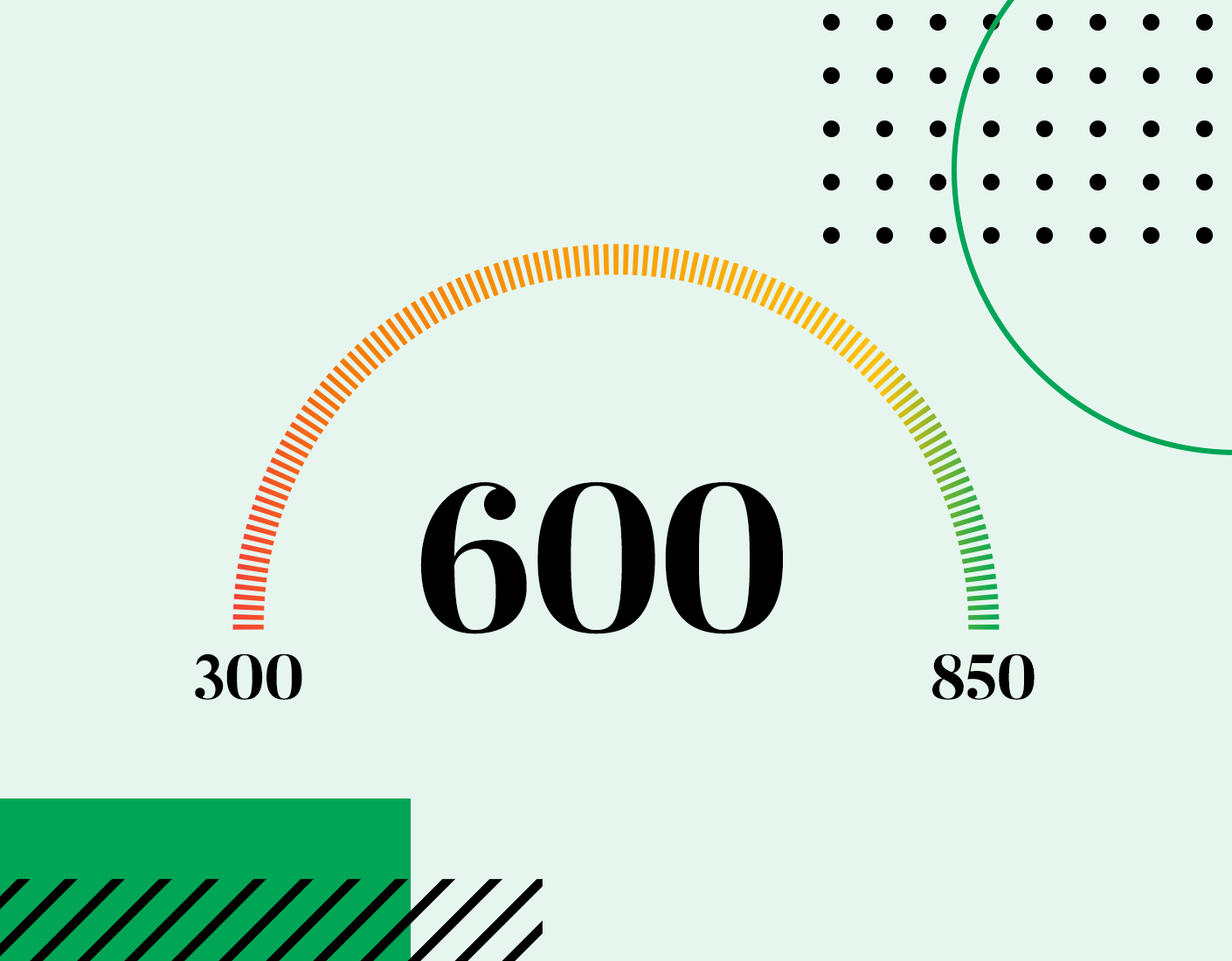
A 600 credit score is generally considered fair. It is not the lowest score range, but it can still make borrowing more expensive and approval more difficult, especially for major purchases.
The good news is that a 600 score can improve over time. Consistent habits like paying on time, lowering credit utilization, checking your credit report for errors, and adding positive payment history can all help you move in the right direction.
Where does a 600 credit score stand?
If you have a 600 credit score, you are in a range that lenders may view as riskier than good or excellent credit. That can mean higher interest rates, stricter approval standards, or fewer offers overall.
Still, a 600 score is not the worst place to start. It is a foundation you can build from.
What credit score makes borrowing easier?
Borrowing usually gets easier as your score moves into the good range and above. But lenders do not look at your score alone. They may also review your credit report, debt levels, recent inquiries, bankruptcies, collections, and overall payment behavior before making a decision.
In general, the higher your score and the cleaner your credit report, the better your chances of approval and the better your loan terms are likely to be.
What can you do if you have a 600 credit score?
If you want to improve a 600 credit score, start with the habits that have the biggest long-term impact.
Pay bills on time
Payment history is one of the most important parts of a credit score, so consistency matters.
Check your credit report for errors
Review your credit report for incorrect balances, late payments that should not be there, or accounts you do not recognize. If something looks wrong, dispute it.
Keep credit utilization low
Using too much of your available revolving credit can hurt your score. A good rule of thumb is to stay below 30%, and lower is generally better.
Use rent reporting if available
If your property works with Esusu, on-time rent payments may help you build credit without opening a new traditional debt product. Esusu reports only positive, on-time rent payments, and renters have seen an average +53-point credit score increase based on lifetime resident data.
Reasons your 600 credit score may rise or fall
A 600 score can go up or down for many reasons.
Your score may improve if you:
- Make on-time payments consistently;
- Reduce your credit utilization;
- Resolve collection issues or other valid negative items;
- Or successfully remove inaccurate information from your credit report.
Your score may drop if you:
- Apply for too many accounts in a short period of time, creating multiple hard inquiries;
- Miss payments;
- Or increase your credit utilization significantly.
Should you close unused accounts?
In many cases, no. Closing an unused account can reduce your total available credit, which may increase your utilization ratio and hurt your score.
If you are deciding whether to close an account, it is worth thinking about how that change could affect your overall credit profile before taking action.
What to expect as you build from 600
A 600 credit score may not put you in the strongest position for a major loan today, but it is not permanent. With steady habits, cleaner credit reporting, and more positive payment history, that score can improve over time.
The key is not to chase every lender or every quick fix. Focus on the fundamentals, stay consistent, and give your credit profile time to strengthen.
Wrapping up
A 600 credit score is fair, but it is not where most people want to stay if they are preparing for a major purchase. The good news is that you can improve it. Pay on time, keep utilization manageable, check your report for errors, and build positive history wherever you can.
Progress may take time, but strong credit is built through consistent habits, not shortcuts.